
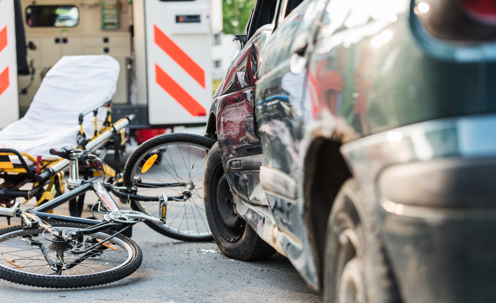
Why Documentation Matters After a Bicycle Accident in Boulder
Boulder is known for its cycling culture, with riders using bike lanes, shared roads, and recreational paths throughout the city. However, collisions between cyclists and motor vehicles remain a serious concern, especially during peak summer months when traffic increases.
After a bicycle accident, documenting injuries properly is one of the most important steps an injured cyclist can take. Medical records, photographs, and timely reporting can significantly impact both insurance claims and legal outcomes.
Colorado law allows injured cyclists to pursue compensation when a driver’s negligence causes harm. But the strength of that claim often depends on the quality of documentation.
Immediate Steps Cyclists Should Take After a Crash
If a cyclist is physically able after a collision, taking certain steps can help preserve evidence:
- Call 911 and request a police report
- Seek medical attention immediately, even for minor pain
- Photograph injuries, the bicycle, and the accident scene
- Collect driver and witness information
- Note road conditions, signage, and visibility
Even injuries that seem minor can develop into more serious conditions over time, such as concussions or soft tissue damage.
Medical Documentation and Its Legal Importance
Medical records are often the foundation of a bicycle injury claim. They help establish:
- The severity of injuries
- The connection between the crash and medical treatment
- The long-term impact on mobility and daily life
Cyclists should follow all recommended treatment plans, attend follow-up appointments, and keep records of physical therapy or specialist visits.
Gaps in treatment can be used by insurance companies to argue that injuries were not serious or unrelated to the crash.
Using Technology and Visual Evidence
Boulder cyclists often have access to valuable digital tools that can strengthen a claim:
- Smartphone photos and videos of the accident scene
- GPS tracking data from cycling apps
- Helmet camera footage, if available
- Dashcam footage from nearby vehicles or intersections
This type of evidence can help reconstruct the collision and clarify how it occurred.
Common Insurance Challenges for Cyclists
Insurance companies may attempt to reduce compensation by arguing:
- The cyclist was partially at fault
- The rider was not visible enough
- Traffic rules were misinterpreted
Colorado’s comparative negligence law allows recovery even if a cyclist shares some responsibility, as long as they are less than 50% at fault. However, documentation is critical in countering these arguments.
Long-Term Impact of Bicycle Injuries
Cycling injuries can have lasting effects, including:
- Chronic pain
- Reduced mobility
- Head injuries and cognitive issues
- Emotional trauma related to road use
Proper documentation helps ensure these long-term impacts are considered in any claim.
Boulder Bicycle Accident Attorneys
After a bicycle collision in Boulder, careful documentation can make a significant difference in protecting your rights and pursuing fair compensation.
Contact Tenge Law Firm LLC at (303) 219-7377 to discuss your bicycle accident case and learn how we can help you move forward.