
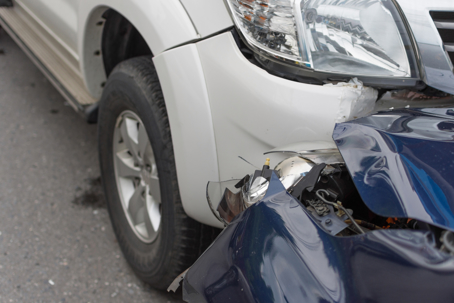
Why Uninsured Drivers Are a Bigger Risk During Holiday Travel in Colorado
The holiday travel season in Colorado brings heavier traffic, longer drives, and more congestion on major roadways such as I-25, I-70, and key routes in and out of Denver, Boulder, and Fort Collins. With more vehicles on the road, the risk of being involved in a crash increases—and unfortunately, so does the likelihood of encountering an uninsured driver.
When an at-fault driver does not carry insurance, injured individuals are often left asking a difficult question: how do I recover compensation for my injuries, medical bills, and lost income? Colorado law requires drivers to carry minimum liability insurance, but not everyone complies. That gap can create serious challenges after a collision, especially during high-traffic travel periods.
Even if the other driver is uninsured, that does not automatically mean there are no options for recovery.
Understanding Your Own Insurance Coverage in Uninsured Driver Situations
One of the most important protections available in Colorado is uninsured motorist (UM) coverage. Many drivers are not fully aware of what their policy covers until after a crash. UM coverage is designed for situations where the at-fault driver lacks insurance or cannot be identified, such as in hit-and-run crashes.
During the holiday travel season, when roads are busier and accidents are more common, UM coverage can become one of the most important parts of a personal auto policy.
Depending on the policy, UM coverage may help compensate for:
- Medical expenses related to the crash
- Lost wages due to time away from work
- Pain and suffering caused by the injury
- Long-term treatment or rehabilitation needs
However, insurance companies do not automatically offer full compensation. Claims involving UM coverage are still subject to investigation, documentation requirements, and policy limitations.
Why Holiday Season Crashes Can Be More Complicated
Holiday travel adds unique complications to uninsured motorist cases in Colorado. Increased traffic volume, winter weather conditions, and out-of-state drivers can all make crash investigations more complex. Determining fault may take longer, especially if there are conflicting statements or limited evidence from the scene.
Additionally, injuries from holiday-season crashes can vary widely, from soft tissue injuries to severe trauma requiring surgery or long-term care. The severity of injuries often plays a significant role in how insurance claims are evaluated and negotiated.
In uninsured driver cases, it is especially important to document everything early, including:
- Medical treatment records
- Photos of the crash scene and vehicle damage
- Witness information
- Any communication with insurance companies
Delays in documentation can make it more difficult to establish the full extent of damages later.
Other Potential Sources of Recovery
While uninsured motorist coverage is often the primary source of compensation, it is not the only possibility. In some cases, additional coverage may exist through:
- Underinsured motorist coverage
- A household member’s insurance policy (in certain circumstances)
- Employer-related coverage if the crash occurred during work-related travel
- Liability coverage from a third party if another driver contributed to the crash
Each case is fact-specific, and identifying all available coverage can significantly affect the outcome.
Moving Forward After an Uninsured Driver Crash
Being hit by an uninsured driver during the holiday season can be overwhelming, especially when medical treatment and financial stress begin to build at the same time. Understanding your insurance coverage and legal options early can help protect your ability to recover damages.
If you or a loved one has been injured in a Colorado crash involving an uninsured driver, the team at Tenge Law Firm LLC can help evaluate your options and guide you through the claims process.
Contact Tenge Law Firm LLC at (303) 219-7377 to discuss your situation and learn more about your rights.