
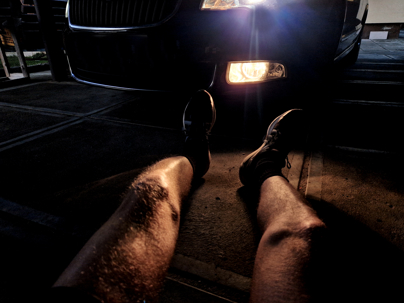
Why Lighting Conditions Matter in Colorado Pedestrian Accidents
Pedestrian accidents in Colorado often occur in low-visibility environments, especially during fall and winter months when daylight hours are shorter. In cities like Denver, Boulder, and Fort Collins, pedestrians may walk in early-morning darkness or after sunset, making visibility a critical safety factor.
Poor street lighting can play a significant role in these cases. While driver behavior is often a central focus, roadway conditions—including lighting—may also be relevant when evaluating how and why a collision occurred.
Street lighting is not just a convenience feature; it can directly affect a driver’s ability to see pedestrians, cyclists, and road hazards in time to react safely.
How Poor Lighting Can Be Used as Evidence
In a Colorado pedestrian injury case, poor street lighting may be considered as part of the overall investigation into liability. It does not automatically determine fault, but it can help explain visibility challenges at the time of the incident.
Evidence related to lighting may include:
- Streetlight placement and functionality
- Maintenance records from the city or property owner
- Photographs or video from the scene
- Time of day and weather conditions
- Visibility range for drivers and pedestrians
When lighting conditions are inadequate, they may contribute to delayed driver reaction times or make it harder for pedestrians to be seen in crosswalks or along roadways.
Shared Responsibility in Pedestrian Cases
Colorado follows a comparative fault system, which means more than one party can share responsibility for an accident. In pedestrian cases, liability may be evaluated from multiple angles, including:
- Driver speed and attentiveness
- Pedestrian location and right-of-way
- Road design and signage
- Lighting and visibility conditions
Poor lighting does not excuse negligent driving, but it may be considered alongside other contributing factors. Each case depends heavily on the specific facts and evidence available.
Why Timing Matters in Lighting-Related Claims
Evidence involving street lighting can be time-sensitive. Lighting conditions may change if repairs are made after an incident, or if environmental conditions (such as seasonal lighting changes) alter visibility.
That is why documentation taken immediately after a pedestrian accident is often important. Photos, witness statements, and scene inspections can help establish the visibility conditions at the time of the crash.
Understanding Your Options After a Pedestrian Injury
Pedestrian injuries can be serious, often resulting in fractures, head trauma, or long-term recovery needs. When poor lighting may have contributed to the incident, it becomes even more important to carefully evaluate all contributing factors.
Boulder Pedestrian Accident Attorneys
If you or a loved one has been injured in a pedestrian accident in Colorado, Tenge Law Firm LLC can help review the circumstances and determine what legal options may be available.
Contact Tenge Law Firm LLC at (303) 219-7377 to learn more about your rights.